
Lifestyle
Lenacapavir: What Nigerians should know about new HIV prevention drug, affordability and availability

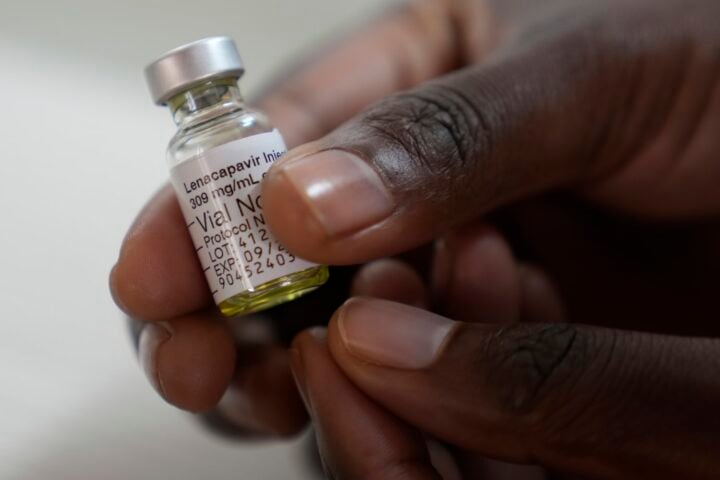
In the past few months, conversations have increased around Lenacapavir, the long-acting HIV prevention drug, following reports that it was available in Nigeria.
While those claims were premature, the National Agency for the Control of AIDS (NACA) has confirmed that the drug will officially arrive in Nigeria in March.
The announcement has been met with excitement, but also questions about its cost. Some have asked: if Lenacapavir is cheaper in Nigeria, does that mean it is inferior or unsafe? Does lower pricing for developing countries imply a compromise in quality?
Here’s a breakdown of what Lenacapavir is, why it will be more affordable in Nigeria, and why a lower price does not compromise safety.
What is Lenacapavir?
Lenacapavir is a long-acting injectable medication used for HIV prevention. Unlike daily oral pre-exposure prophylaxis (PrEP) pills, which must be taken every day, Lenacapavir requires only two injections per year.
Clinical trials have shown the drug provides almost total protection against HIV, with efficacy surpassing most current oral PrEP options. The World Health Organization (WHO) recommended Lenacapavir for use in 2025, and Nigeria is set to receive the injectable as part of a phased rollout starting in March.
Why Will It Be More Affordable in Nigeria?
The reduced cost in Nigeria is a result of a landmark global agreement. In October 2024, Gilead, the developer of Lenacapavir, granted voluntary licenses to six generic manufacturers, including Dr. Reddy’s Laboratories, to supply the drug to over 120 low- and middle-income countries.
Through partnerships with organizations like the Clinton Health Access Initiative (CHAI), Unitaid, the Gates Foundation, and Wits RHI, generic manufacturers are supported financially and technically to deliver quality-assured versions of Lenacapavir at a capped price of around $40 per person annually, compared with the original $28,000. In Nigeria, this translates to approximately ₦55,000 per year.
Temitope Ilori, NACA Director-General, welcomed the arrangement, highlighting that it ensures access to this “breakthrough innovation” for those who need it most.
Pharmaceutical pricing often uses a tiered structure, meaning lower-income countries pay less, while wealthier nations pay higher prices. This pricing strategy does not affect the quality of the medicine. Additionally, bulk procurement through government and donor-supported programs further reduces the cost per unit.
Does Lower Cost Mean Lower Safety?
No. All medicines distributed in Nigeria must be approved by NAFDAC (National Agency for Food and Drug Administration and Control), which evaluates safety, efficacy, and quality before clearance.
The approval process involves:
Reviewing clinical trial data
Checking manufacturing standards
Inspecting production facilities
Ensuring adherence to quality assurance protocols
Moreover, medicines supplied through global HIV programs often meet WHO prequalification standards, which verify chemical composition, good manufacturing practices (GMP), clinical safety, and stability under varying conditions.
Lenacapavir is part of a broader pattern where breakthrough medicines are made affordable without compromising quality. Vaccines and antiretroviral drugs have followed similar paths: initial high costs dropped over time through generic licensing, bulk procurement, and international support, without reducing safety or efficacy.
Large-scale public health initiatives drive affordability by guaranteeing demand, stabilizing prices, and enabling manufacturers to scale production. Thus, a lower price reflects negotiated access and scale, not inferior products.
Nigeria’s access to Lenacapavir is a milestone in HIV prevention, providing a highly effective, long-acting option that is both safe and affordable. Public health, global partnerships, and careful regulation ensure that cost savings benefit citizens without compromising quality.

-

 Inside Nigeria2 days ago
Gov Alia names Mathematics Education scholar Eunice Ogbenyi acting HoS of Benue State
-

 Sports22 hours ago
BREAKING: Football shock as Rivers United Bus crashes en route to President’s Cup match
-

 National News22 hours ago
Tinubu fills NDDC board vacancy with nomination of Zainab Marwa
-
 Inside Nigeria2 days ago
Oyo Kidnapping: Obi, Senate call for urgent action on victims’ release
-

 Inside Nigeria2 days ago
₦7.4bn/km Coastal road project completed in Rivers State — Julius Berger
-

 Inside Nigeria1 day ago
Daily Times at 100: Publisher commits N100m to NUJ infrastructure project
-

 Inside Nigeria5 hours ago
NSITF targets AI impact on Gig Workers, Platform Economy
-

 Editorials5 hours ago
Panic across Nigeria as fake school attack rumours trigger mass evacuation in FCT, Ogun, Oyo and Kwara