
National News
FG moves to scrap separate JSS and SSS system, adopt 12 year uninterrupted basic education model

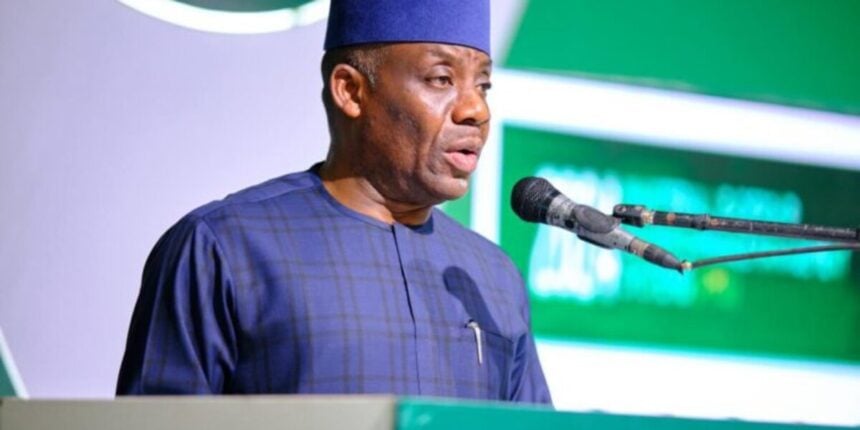
The Federal Government has announced plans to phase out the policy separating Junior Secondary Schools (JSS) from Senior Secondary Schools (SSS), following findings that more than 20 million pupils fail to transition beyond primary education.
Minister of Education, Dr. Tunji Alausa, disclosed the development on Tuesday in Abuja during the inauguration of the Universal Basic Education Commission (UBEC) Ministerial Implementation and Monitoring Committee.
According to the minister, the existing policy—which requires junior and senior secondary schools to operate independently with separate principals, facilities and administration—has failed to achieve its intended objectives and is contributing to Nigeria’s growing education crisis.
Alausa said an assessment by the ministry revealed a major imbalance in the distribution of schools across the country, with far fewer junior secondary schools available to absorb pupils completing primary education.
“We have 20 million dropouts from primary school to JSS. Where are those students? We also found we have 80,000 public primary schools and only about 15,000 junior secondary schools. That’s a one-to-eight ratio,” he said.
The minister explained that the shortage of junior secondary schools has resulted in severe overcrowding in available facilities, while many senior secondary schools remain underutilised, particularly in Kaduna State and other parts of northern Nigeria.
Describing the current arrangement as unsuccessful, Alausa said the government has resolved to phase out the policy in order to improve access to secondary education and reduce dropout rates.
“This disarticulation policy has failed. We will phase it out. We can’t be creating positions because we want to create a director level for people while we harm our education system. It’s about doing what is best for every Nigerian child,” he stated.
He added that the proposal would be presented before the next meeting of the National Council on Education for deliberation and possible approval.
The minister noted that the planned reform forms part of the Federal Government’s broader strategy to expand access to quality education, improve learning outcomes and tackle long-standing barriers preventing millions of Nigerian children from progressing through the country’s education system.





-
 Politicians2 days ago
NDC: Trending CTC of judgment show’s court has sacked Obi’s new party
-
 Politicians3 days ago
2027: Obi dares Tinubu to public debate
-
 Inside Nigeria2 days ago
Governor Otu says parents’ values shape his people-first style of governance
-

 Inside Nigeria3 days ago
NUJ FCT Chairman Grace Ike bags Silent Hero in Management Award, reaffirms commitment to ethical journalism
-

 National News1 day ago
Tinubu approves major NYSC reform as FEC moves to overhaul scheme
-

 Sports1 day ago
Kai Havertz, others miss penalties as Paraguay knock Germany out of World Cup
-
 National News1 day ago
Tinubu may visit Washington before end of tenure, says Nigerian envoy
-
 National News3 days ago
Report: National Assembly overtakes Police, emerges least trusted institution in Nigeria